











How to Layer Necklaces: A Simple Guide to Getting It Right
Layering necklaces is the fastest way to make an outfit look considered. One delicate chain reads as pretty. Two or three worn together read as style. The catch is that layering looks effortless only when it is done with a bit of structure behind it, and done carelessly it turns into a tangle of chains sitting at the same height, competing with each other. The good news is that it comes down to three simple rules, and once you know them you can build a layered look from pieces you already own and add to it over time. This guide covers the rules, the lengths, how to mix metals, three looks you can copy directly, and the practical trick that stops chains tangling.
The Three Rules of Layering
Vary the Length
The single most important rule. Each necklace needs enough clear space beneath the one above it to be seen properly. Chains sitting at almost the same height look like a mistake rather than a choice, and they tangle constantly.
Vary the Weight
Three identical fine chains read as one thick chain from a distance. Mix a delicate chain with something with more presence, and the difference in scale is what gives a layered look its depth.
Anchor With One Focal Piece
Every layered look needs one piece the eye lands on first, with the others supporting it. Two statement necklaces compete. One statement piece and one or two quieter chains looks intentional.
Understanding Necklace Lengths
Necklace lengths have standard names, and knowing them makes layering far easier to plan. These are the general conventions used across jewellery rather than measurements specific to any one piece, so always check the individual product page for the exact length before ordering.
The practical takeaway is to leave a gap of roughly four to five centimetres between each layer. That is enough for every piece to be seen clearly and to sit without catching on the one above. If two of your necklaces are the same length, wear one of them on its own rather than forcing them together.
How Many Necklaces Should You Layer?
Two is the easiest and most wearable. A short delicate chain with a slightly longer pendant beneath it works with almost everything, from a t shirt to an evening dress. If you are new to layering, start here and you will get it right first time.
Three is where it starts to look deliberate. The classic formula is a short fine chain, a mid length piece with a small pendant, and a longer statement piece at the bottom. Three layers give you the depth that makes the look feel styled rather than accidental.
Four or more is for a bold, deliberate look. It works, but it needs real variation in length and weight, and it suits a simple neckline that gives the layers room. Most days, two or three is the better call.
Three Layered Looks You Can Copy
Here are three combinations built from the Wecord necklaces collection, each one following the rules above.
The Everyday Two
Simple, wearable, works with anything
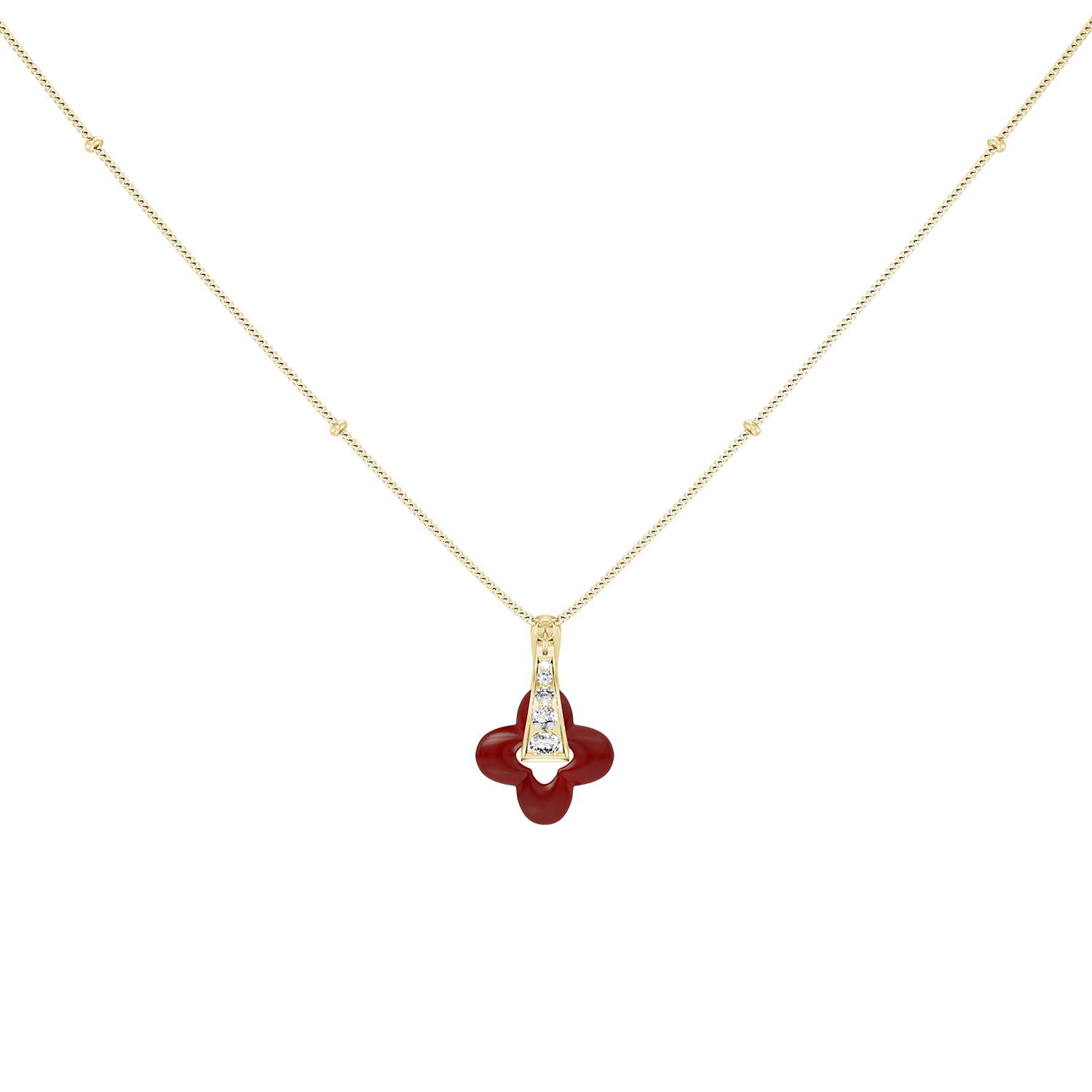
A Silver Clover Necklace at 250 AED worn short, with the Mini Soho Pavé Necklace at 850 AED sitting just beneath it. The Clover brings a recognisable motif and the Mini Soho Pavé adds a fine line of lab grown diamond sparkle underneath. Both are delicate, so the contrast comes from the motif rather than the scale. This is the pairing to start with.
The Statement Three
For evenings and occasions
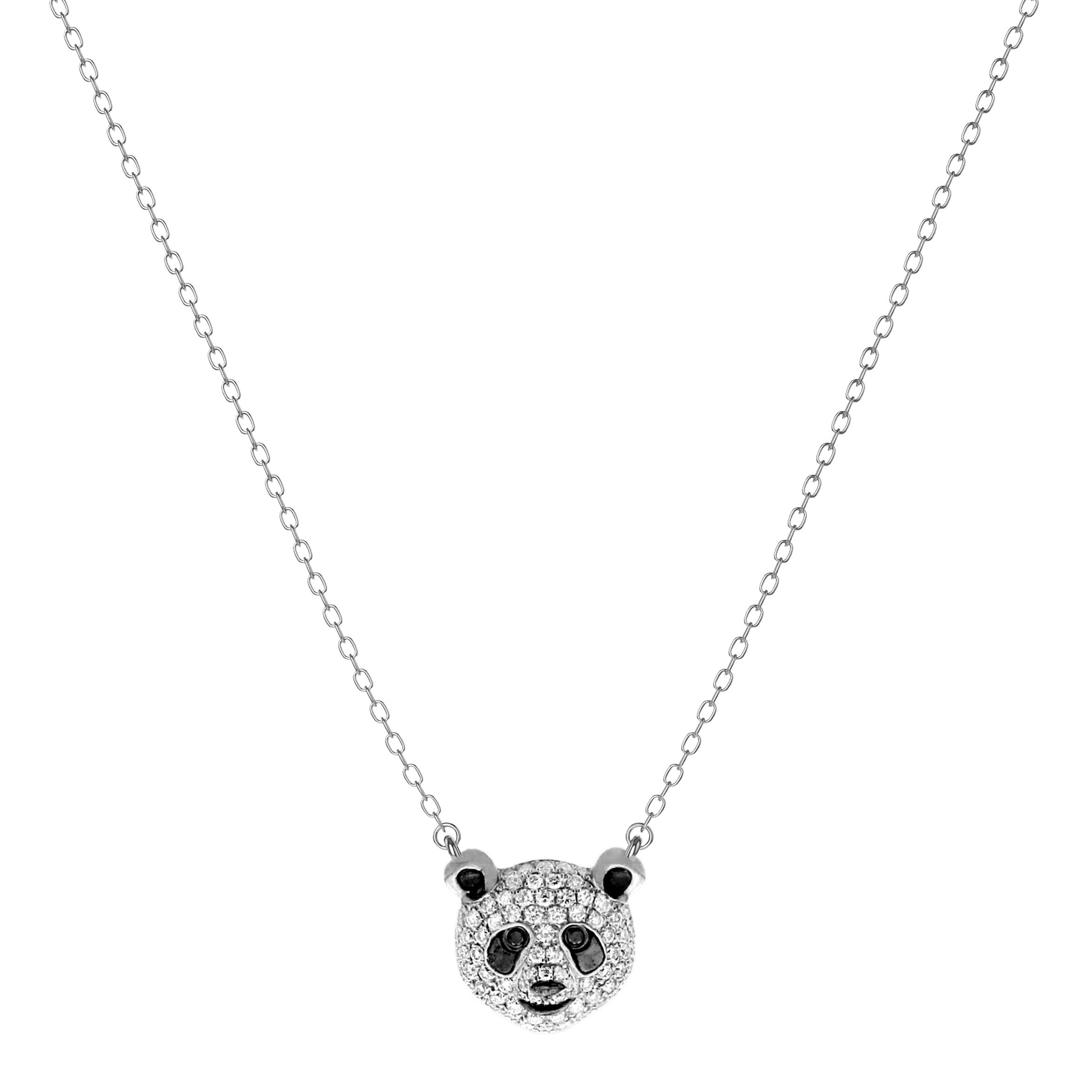
A Unity Necklace at 375 AED at the shortest length, the Mini Soho Pavé Necklace in the middle, and the Pavé Soho Necklace at 1,100 AED as the lowest and boldest layer. The Pavé Soho is the anchor here, and because it comes with detachable charms you can adjust how much presence it carries depending on the occasion.
The Mixed Metal
Modern and deliberately unmatched
A golden Mini Soho Pavé Necklace layered with a silver piece beneath it. Because most Wecord necklaces come in both 18K gold vermeil and silver finishes of the same design, the two read as a matched pair in two metals rather than two unrelated chains, which is exactly what makes a mixed metal layer look intentional.
Can You Layer Gold and Silver Together?
Yes, and it is one of the most current ways to wear necklaces. The old rule against mixing metals has gone, and a gold chain layered with a silver one now reads as confident rather than careless. Two things make it work. First, let one metal lead rather than splitting evenly, so a mostly gold look with one silver piece, or the reverse. Second, choose pieces that share a design language, which is why buying the same design in both finishes layers so well: the eye recognises them as a pair.
If you want to make it foolproof, include one piece that already contains both finishes. A two tone piece gives every other metal in the look a reason to be there, and the whole combination stops needing justification.
How to Stop Layered Chains Tangling
Tangling is the reason most people give up on layering, and almost all of it comes down to two things. Necklaces that are too close in length will always twist around each other, so widen the gap between your layers before blaming the chains. And necklaces stored loose in a box or drawer knot together long before they reach your neck.
Store each piece separately in its own pouch or box rather than together, fasten the clasp before putting it away, and hang chains where possible rather than coiling them. In the humidity here, storing pieces dry and sealed also protects the finish.
Layering by Neckline
V neck. The easiest neckline to layer with, because the shape naturally frames a set of chains. Follow the line of the V with graduated lengths and let the longest piece sit near the point.
Crew neck and t shirts. Keep the shortest layer above the fabric line so it is not swallowed by the neckline, and let the longer pieces fall against the shirt where they show clearly.
Open collar shirts. One shorter chain and one longer pendant works better than three, since the collar already adds visual detail. Restraint reads better here.
Strapless and off the shoulder. A single statement piece or a tight two layer combination close to the neck, since there is nothing to break up a long chain and it can look stranded.
Frequently Asked Questions
How do you layer necklaces without them tangling?
Leave a gap of roughly four to five centimetres between each layer, since chains that sit at nearly the same height will always twist together. Store each necklace separately with the clasp fastened rather than loose in a box, and hang chains where you can. Most tangling is caused by storage and length choices rather than by the necklaces themselves.
How many necklaces should you layer?
Two is the easiest and most wearable, and works with almost any outfit. Three is where the look becomes deliberate, using a short fine chain, a mid length pendant, and a longer statement piece. Four or more works but needs real variation in length and weight, and a simple neckline to give the layers room.
Can you layer gold and silver necklaces together?
Yes. Mixing metals now reads as confident rather than careless. Let one metal dominate rather than splitting evenly, and choose pieces that share a design language. Because most Wecord necklaces come in both 18K gold vermeil and silver versions of the same design, layering the two finishes looks like a matched pair rather than two unrelated chains.
What lengths work best for layering?
Aim for graduated lengths with roughly four to five centimetres between each layer. A choker at around 40cm, a princess length at around 45cm, and a matinee at around 50 to 60cm is a reliable three layer structure. Always check the individual product page for the exact length of a piece before ordering.
Which necklaces layer best together?
Pieces that differ in weight and motif but share a finish or design family. A delicate diamond chain beneath a piece with a clear motif works particularly well, because one carries sparkle and the other carries shape. Browse the necklaces collection to see which designs come in matching finishes.
Is layering necklaces still in style?
Yes. Layering has moved from a trend to a standard way of wearing fine jewellery, largely because it lets people build a look from pieces collected over time rather than buying one piece and wearing it alone. It also makes a small collection go much further.
Can I layer a necklace with earrings and bracelets?
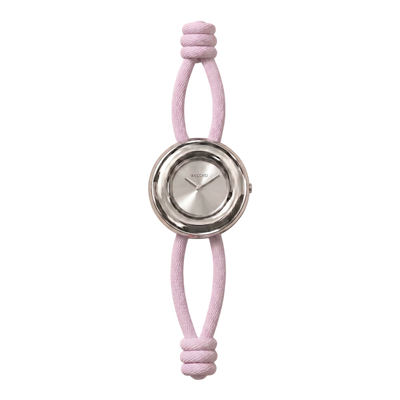
Yes, and coordinating across the body is what pulls a whole look together. Repeating a metal or a motif between your necklaces, earrings, and a wrist stack of cord bracelets makes the styling read as a system rather than separate pieces.
Build Your Layered Look
Most Wecord necklaces come in both 18K gold vermeil and silver, made to be worn together. Real materials, a 2 year warranty, and fast delivery across the UAE.