



Gold Karat Guide UAE: 18K vs 21K vs 22K vs 24K, Which One Is Right for You?
Walk into Gold Souk in Deira, browse a jewellery counter at the Dubai Mall, or scroll through online listings for gold in the UAE, and the first question that comes up is always the same. Which karat. 18, 21, 22, or 24. The answer matters more than most buyers realise, because each karat sits at a very different intersection of purity, durability, price, cultural meaning, and how the piece will actually behave on your wrist over the next ten years.
This guide walks through what each karat actually means, where each one shines, where each one disappoints, and which is the right answer for what you specifically want from a gold piece. The UAE is one of the highest gold consumption markets per capita anywhere in the world, but very few buyers ever get a clear, honest explanation of the trade offs. By the end of this guide you will know exactly which karat fits your situation, what hallmark to look for, and how to avoid the most common mistakes when shopping for gold in the UAE.
What Is a Karat?
A karat is a measurement of gold purity, written as a number out of 24. Pure gold is 24 karats, meaning 100% of the metal is gold. Any number below 24 indicates that other metals have been alloyed with the gold to make it stronger or change its colour. So 18K means 18 parts out of 24 are gold (75% pure), 21K means 21 parts out of 24 are gold (87.5% pure), and 22K means 22 parts out of 24 are gold (91.6% pure).
The reason karats matter is that pure gold is extremely soft. A 24 karat ring would scratch and bend within weeks of daily wear. By alloying gold with metals like silver, copper, or palladium, jewellers create a harder material that holds its shape and resists scratches. The trade off is straightforward. Higher karat means more pure gold but softer metal. Lower karat means less pure gold but a more durable, wearable piece.
The Four Karats Explained
Here is the at a glance view of how each karat compares, before we go into detail on each one.
Pure Gold
99.9% pure | Hallmark: 999
Colour: Deep, rich yellow
Hardness: Very soft
Best for: Investment bars, ceremonial pieces, gifting at major life events
Bridal Standard
91.6% pure | Hallmark: 916
Colour: Rich, intense yellow
Hardness: Soft, scratches with wear
Best for: Indian and Asian bridal sets, traditional necklaces, occasional wear
The UAE Standard
87.5% pure | Hallmark: 875
Colour: Warm yellow, slightly lighter than 22K
Hardness: Slightly harder than 22K
Best for: Khaleeji and Emirati traditional pieces, semi regular wear
Daily Wear Standard
75% pure | Hallmark: 750
Colour: Bright, balanced yellow
Hardness: Durable, resists daily wear
Best for: Everyday jewellery, watches, fine designer pieces, gifts
24K Gold: The Purity Standard
24 karat gold is gold in its purest form. The hallmark 999 indicates 99.9% purity, and the colour is the deep, almost orange yellow that people picture when they think of pure gold. This is the gold of bars sold at the Dubai Gold and Commodities Exchange, the gold given as wedding favours in Indian families, and the gold of religious and ceremonial pieces across the Middle East.
Pure gold is also extremely soft. Soft enough to bend with your thumb. Soft enough to dent if you press it against a hard surface. This is why almost no jewellery designed to be worn regularly is made in 24K. A 24 karat ring would distort within months on a hand that types, washes dishes, or carries shopping bags. The pieces that are made in 24K tend to be display jewellery, kept in a safe and brought out for specific occasions rather than worn daily.
The case for buying 24K is essentially investment. Pure gold tracks the market price directly and holds value across generations. If your reason for buying gold is to store wealth or pass it down, 24K is the correct answer. If your reason is to wear it, almost any other karat is better.
22K Gold: The Bridal and Cultural Standard
22 karat gold sits at 91.6% purity, hallmarked 916. It is the dominant gold karat across India, Pakistan, Bangladesh, and Sri Lanka, and because of the large South Asian community in the UAE, 22K has a major presence in Dubai's gold market. It is the karat of traditional Indian bridal sets, the karat parents buy for daughters as a wedding gift, and the karat of most heavy chain and bangle pieces in the souk.
The reason 22K became the cultural standard in South Asia is that it balances two things. The colour stays deep and rich, much closer to 24K than 18K. The metal is durable enough to make intricate jewellery (the very detailed filigree work of Indian bridal pieces is only possible at 22K or higher). And it retains most of the gold value of 24K, which matters in cultures where gold doubles as both adornment and family savings.
The honest trade off with 22K is that it remains relatively soft. A 22K ring worn every day will show scratches and lose its polish faster than an 18K equivalent. Most South Asian families understand this implicitly. Bridal 22K pieces are worn for special occasions and stored carefully between wears, not used as daily jewellery. Anyone choosing 22K for everyday wear should be prepared to polish and maintain the pieces regularly.
The Question
"Why do Emiratis and Khaleeji buyers prefer 21K gold?"
21K Gold: The UAE and Khaleeji Standard
21 karat gold sits at 87.5% purity, hallmarked 875, and it is the cultural standard across the UAE, Saudi Arabia, Kuwait, Qatar, Bahrain, and Oman. If you walk into any traditional jewellery shop in Deira, Sharjah, or Abu Dhabi and ask for gold, the default assumption is that you mean 21K. It is the karat used for traditional Khaleeji wedding sets, for daily wear bangles among Emirati women, and for the heavy gold pieces given as gifts at engagements and births across the GCC.
21K became the GCC standard because it strikes a slightly different balance than 22K. The metal is marginally harder, meaning pieces hold their shape and resist scratches better. The colour is slightly less intense yellow, which some Gulf buyers actually prefer. And the value per gram is slightly lower, making slightly larger pieces accessible for the same total spend. It also has its own hallmark stamp (875) that experienced UAE gold buyers learn to recognise at a glance.
For traditional Gulf jewellery, especially heavy bangles, ankle pieces, and ceremonial necklaces meant to be worn primarily at weddings and family occasions, 21K is the correct answer. For daily wear in a modern Dubai lifestyle (office, gym, beach, kitchen, AC and outdoor heat contrast), 21K still suffers from the same softness issue as 22K. The pieces scratch faster than an 18K equivalent and need more careful handling.
18K Gold: The Global Daily Wear Standard
18 karat gold sits at 75% purity, hallmarked 750. It is the karat used by every major global luxury jewellery house. Cartier, Bulgari, Tiffany, Van Cleef, Boucheron, Chopard. When these brands make their daily wear collections, they use 18K. The reason is not that they cannot afford higher karat. The reason is that 18K is the karat that actually works for jewellery designed to be worn every day for decades without falling apart.
The 25% of non gold alloy in 18K is what makes the difference. Mixed with palladium, silver, or copper depending on the desired colour, the alloy makes the metal hard enough to hold detailed design work, resist scratches from daily use, and survive contact with everything from soap and perfume to gym equipment. An 18K ring worn daily for ten years will still look refined. A 22K or 21K ring worn the same way will need professional polishing every couple of years to maintain its appearance.
18K also gives jewellery designers more freedom. Filigree, pavé settings, fine engraving, intricate chains, and detailed motifs all hold their shape better in 18K than higher karats. This is why the most artistically complex jewellery in the world tends to be made in 18K rather than 22K, and why brands focused on design (rather than gold weight) almost always work in 18K.
The case against 18K in some traditional UAE buyers' minds is the gold content. 75% gold is less than 87.5% or 91.6%. For someone whose grandfather kept his savings in 22K bangles, 18K can feel less valuable. The honest counter to this is that 18K is not less valuable for a jewellery wearer. It is more valuable, because the piece survives daily life and continues delivering aesthetic and emotional value for years longer than a softer karat would.
Gold Karat Comparison at a Glance
Which Karat for Which Purpose
The cleanest way to choose your karat is to start with what you actually want from the piece. Each karat sits naturally in different use cases.
Daily Wear Jewellery
18K. The only karat that genuinely handles daily life without rapid scratching or distortion. This is what the world's major luxury houses use for exactly this reason.
Bridal Sets and Heritage Pieces
21K or 22K. Cultural significance, heavy gold weight, and rich colour matter more than scratch resistance. These pieces are stored carefully between wears.
Pure Investment
24K. If you are buying gold as a store of value rather than to wear, bars or simple coin format 24K is the correct choice.
Gifts for Daily Wear
18K. A gift that the recipient will actually wear daily for years. The most thoughtful gold gift is usually 18K in a piece that fits their life.
Tourist Souk Buys
18K or 21K. Depends on what you want. 18K for design and daily wear after returning home. 21K for the experience of buying GCC traditional gold by weight.
Sensitive Skin
18K or higher. Lower karats include more alloy metals (sometimes nickel) that can cause reactions. 18K and above are generally safe for sensitive skin.
The Case for 18K Gold Vermeil: Smart Gold for Daily Wear
Once you understand that 18K is the right karat for daily wear, the next question is whether to buy solid 18K or 18K vermeil. The difference matters and is genuinely useful to understand.
Solid 18K means the entire piece, from surface to core, is 75% gold. A solid 18K necklace in a modest design typically costs between 3,500 and 15,000 AED in the UAE depending on weight and brand. The piece holds value as the gold price moves and will last lifetimes.
18K gold vermeil means a thick layer of 18K gold electroplated onto a base of 925 sterling silver. To legally be called vermeil internationally, the gold layer must be at least 2.5 microns thick. Wecord uses 18K gold vermeil at 3 microns, which sits above the legal minimum and at the top of what any vermeil brand offers. The piece looks identical to solid 18K from the outside but costs a fraction of the price because the silver core replaces most of the gold weight.
The honest comparison is this. Solid 18K is the right choice for heirloom pieces, engagement rings, wedding bands, and gifts meant to be passed down. The price difference is justified by the lifetime guarantee of the material. For daily wear pieces, stacked cord bracelets, the watch you wear every morning, the necklace you put on when you get dressed and forget about until evening, 18K vermeil delivers the same look and feel as solid 18K at a price that lets you actually own a meaningful collection rather than one careful piece.
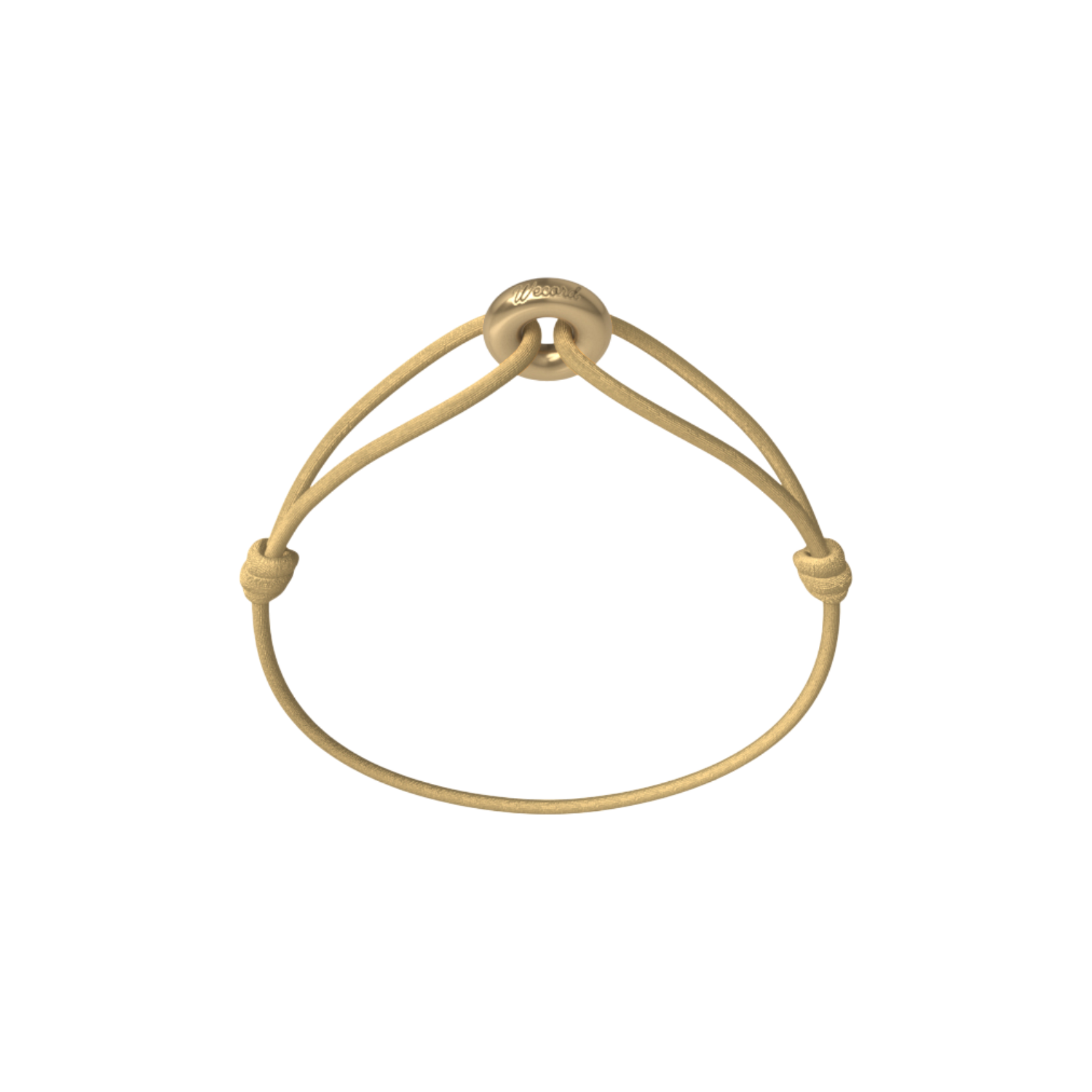
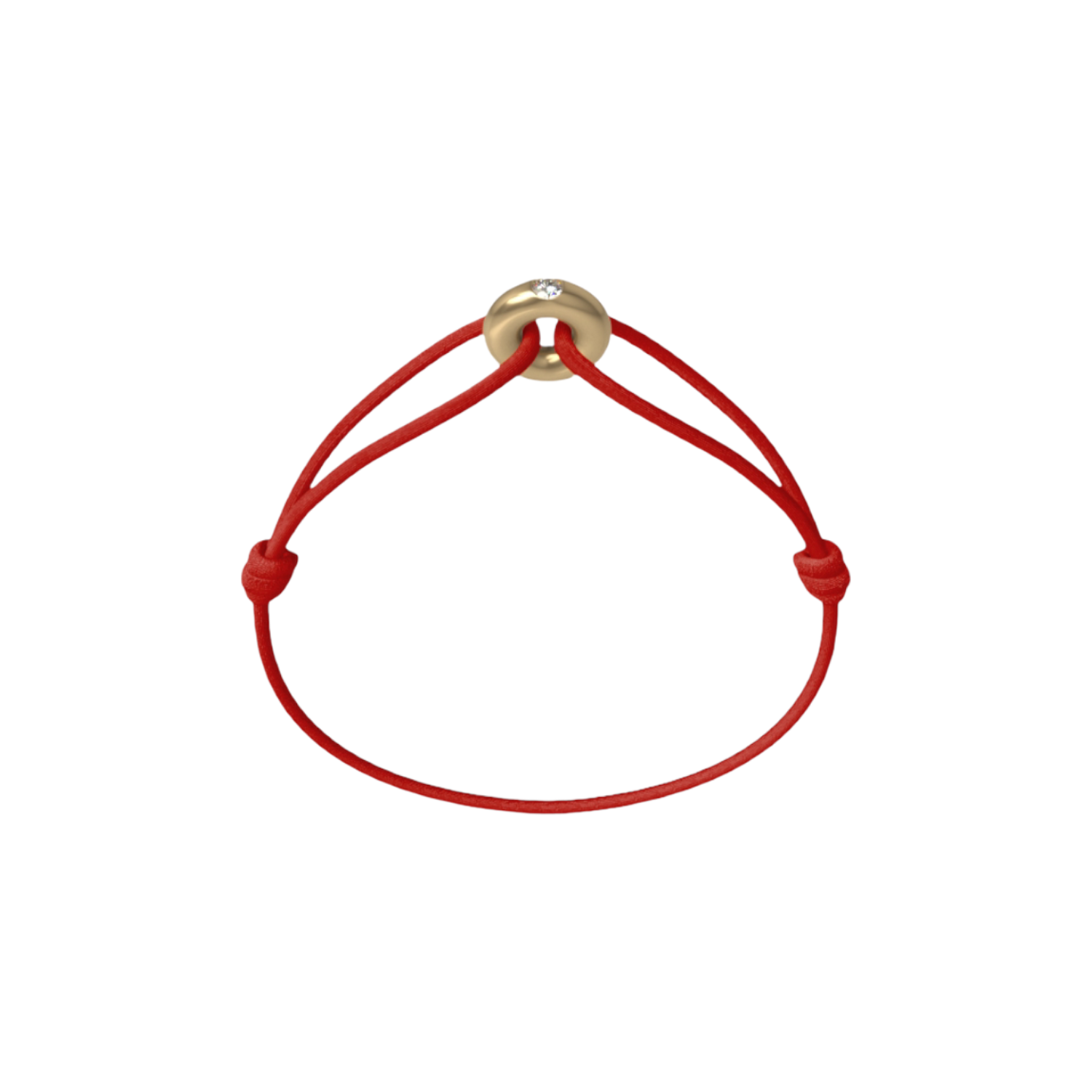
The full Wecord jewellery range uses 18K vermeil at 3 microns over 925 sterling silver. This includes the Soho Pavé pieces set with lab grown diamonds, the gold versions of every cord bracelet, and the gold dial editions of the Duke watch. The Mini Soho Pavé Necklace at 850 AED, the Pavé Soho Earrings at 1,900 AED, and the Golden Soho Pavé cord bracelet at 850 AED are among the most given gold gifts in the UAE precisely because the vermeil format delivers the look of luxury 18K at prices that work for real gifting budgets.
The Question
"Should I buy 18K or 22K gold in Dubai?"
The honest answer depends on what you are buying it for. For a piece you plan to wear daily, 18K is the better choice every time. The metal lasts longer, the design holds its shape, and the piece costs less for the same appearance. For a piece meant to mark a major cultural or family occasion that will be worn occasionally and stored carefully (a bridal set, a heritage gift for a daughter), 22K carries the traditional weight that matters for that purpose. Both can be the right answer for different parts of the same person's jewellery box.
Gold Hallmarks: What to Look For in the UAE
A hallmark is a small stamp on a piece of jewellery indicating the gold purity. In the UAE, all legitimate gold jewellery must be hallmarked, and the hallmark is your single most important verification tool when buying. The Emirates Authority for Standardisation and Metrology regulates gold hallmarking across the country, and every reputable gold seller will be happy to show you the hallmark on any piece before you buy.
24 karat
Pure gold
22 karat
91.6% gold
21 karat
87.5% gold
18 karat
75% gold
Beyond the purity number, look for the maker's mark (a small symbol identifying the manufacturer), the country of origin marking, and on some pieces an assayer's mark verifying independent testing. If a piece does not carry a clear purity hallmark, it is not legitimately sold gold and should not be purchased at gold prices.
For 18K vermeil pieces, the silver base is hallmarked 925 (the sterling silver standard) and the gold plating is described separately on the product card. This is the correct labelling and indicates a legitimate vermeil piece rather than gold plated jewellery on a base metal. The difference between vermeil and standard gold plating matters because vermeil requires a sterling silver base and a thicker gold layer, both of which contribute to a longer lasting piece.
How Gold Pricing Works in Dubai: The Honest Breakdown
Gold in the UAE is priced using a formula that almost no first time buyer fully understands until someone explains it. Knowing how the price is calculated makes the difference between a fair purchase and one where you have overpaid.
The base price of gold is set daily by the international gold market and quoted per gram for each karat. You can check the daily rate on the Dubai Gold and Commodities Exchange website before walking into a souk. This rate is the same across every reputable seller in the UAE. Where prices vary is in two added components.
The first added component is the making charge. This is the labour cost of crafting the piece and is usually expressed as a price per gram (for simple pieces) or as a flat fee (for designed pieces). Souk gold for traditional bangle designs might add 30 to 80 AED per gram in making charges. Designer pieces or branded fine jewellery add significantly more because of design, craftsmanship, and brand value.
The second added component is the VAT. The UAE applies 5% VAT to gold jewellery (though investment grade 24K bars are exempt under certain conditions). This is added to the final price and should be visible on the receipt.
For fine jewellery brands like Wecord that sell finished, designed pieces rather than raw gold by weight, the pricing structure is different. The price reflects the complete piece (design, materials, craftsmanship, packaging, warranty) rather than gold weight plus making charges. This is the same model used by every global luxury jewellery house and the same model that applies to most 18K and 18K vermeil retail jewellery in the UAE.
The Question
"Should I buy gold from the souk or from a designer brand?"
It depends entirely on what you want. The souk is the right answer for traditional 21K and 22K pieces sold by weight, where you are essentially buying gold as both jewellery and stored value. You can negotiate, you get clear pricing per gram, and you can choose from thousands of variations on traditional designs. The designer brand is the right answer for designed pieces meant to be worn daily, where you are buying a complete object rather than gold by weight. You pay for the design, the materials, the craftsmanship, the warranty, and the packaging. Most UAE residents end up owning both. Traditional pieces from the souk for cultural occasions, designer pieces from fine jewellery brands for daily life.
The Cultural Layer: Why Karat Matters Differently Across the UAE
The UAE is one of the most culturally diverse markets in the world, and gold preferences vary significantly between communities. Understanding this matters because the best karat for one community is not the best karat for another, and conversations about gold can carry assumptions that depend on background.
For Emirati and Khaleeji buyers, 21K is the default. Family heirloom pieces, bridal sets, and traditional ceremonial jewellery are almost always 21K. The hallmark 875 has cultural resonance that the other numbers do not. A Khaleeji wedding without 21K gold would feel incomplete, regardless of how beautiful the alternative might be.
For Indian, Pakistani, and Bangladeshi buyers, 22K is the cultural standard. The richer yellow colour, the higher purity, and the cultural significance of traditional bridal sets make 22K the only acceptable choice for major life events. Indian families in the UAE typically have 22K pieces for occasional ceremonial wear and 18K or other karats for daily use.
For European, North American, and most expat buyers, 18K is the assumed default for any fine jewellery purchase. Many Western expats are surprised when offered 22K at first because they have not encountered higher karats in their home markets. After living in the UAE, many adopt the local appreciation for higher karats for occasional wear while keeping 18K as the daily standard.
For Filipino, Lebanese, Egyptian, and other large expat communities, the karat preference often blends home country norms with UAE availability. Many buy 18K for daily wear and one piece of 21K or 22K as a cultural connection to the local market.
None of these preferences is right or wrong. The best karat for you depends partly on personal taste, partly on cultural connection, and partly on the specific piece you are buying. The mistake is assuming the karat that works for one community is the right answer for everyone.
The Most Common Gold Buying Mistakes in the UAE
Across thousands of gold purchases made in the UAE every week, the same handful of mistakes keep appearing. Knowing them in advance is the fastest way to avoid them.
Mistake one. Assuming higher karat is always better. 24K is the purest, but it is also the softest and least practical for jewellery. For daily wear, lower karat is actually the smarter answer. The "better karat" depends on what you want to do with the piece, not on a universal ranking.
Mistake two. Ignoring the hallmark. A piece without a clear purity hallmark may not be the karat the seller claims. Always ask to see the hallmark before purchasing, and if a seller cannot show one clearly, walk away.
Mistake three. Confusing vermeil with gold plated. Cheap gold plated jewellery uses a brass or copper base with a microscopically thin gold coating that wears off within months. Vermeil uses a sterling silver base with a thick gold layer (2.5 microns or more) that lasts for years. The price difference reflects this. Vermeil is real gold jewellery. Generic gold plated is costume jewellery.
Mistake four. Buying for storage when you wanted to wear. Many tourists buy heavy 22K or 24K pieces during a Dubai trip, intending to wear them at home. The pieces then scratch within months because the buyer's daily life is not designed around careful gold wear. 18K would have been the correct choice for those buyers.
Mistake five. Skipping the making charges check. Two pieces in the same karat from the same souk can vary significantly in price because of making charges. Always ask about the making charge separately from the gold price before agreeing to a purchase.
Which Wecord Pieces Use 18K Gold
Every gold finished piece across the Wecord jewellery range uses 18K gold vermeil at 3 microns over a 925 sterling silver core. This includes the gold versions of the Soho Collection, Heart Collection, and other signature ranges, the gold cord bracelets, the full necklace and earring ranges in gold finish, and the Soho Pavé pieces that combine 18K vermeil with lab grown diamonds. The gold dial editions of the Duke watch also use 18K vermeil finishing.
The 3 micron thickness is worth noting specifically. It exceeds the international legal minimum of 2.5 microns required to call a piece vermeil, and it is at the upper end of what any vermeil brand offers. This is the technical difference between pieces that wear well for years and pieces that show plating loss within twelve months. For UAE buyers used to the durability expectations of solid 21K or 22K, 18K vermeil at 3 microns delivers a comparable everyday lifespan at a fraction of the price.
Frequently Asked Questions
What karat gold should I buy in Dubai?
For daily wear jewellery, 18K is the right answer. For traditional Khaleeji or Emirati cultural pieces, 21K. For Indian or South Asian bridal sets, 22K. For pure investment purposes, 24K. The best karat depends entirely on what you plan to do with the piece, not on a universal ranking.
Is 18K gold real gold?
Yes. 18K gold is 75% pure gold alloyed with 25% other metals (usually silver, copper, or palladium) for durability. It is fully recognised as fine jewellery in every market in the world, and is the karat used by every major global luxury jewellery house including Cartier, Bulgari, and Tiffany.
What is the difference between 21K and 22K gold?
21K is 87.5% pure gold (hallmark 875), while 22K is 91.6% pure gold (hallmark 916). 22K is slightly purer, slightly more yellow in colour, and slightly softer. 21K is slightly more durable and is the default in the UAE and Gulf market. 22K is the default in India and South Asia. Both are considered traditional cultural standards in their respective communities.
Why is 21K gold so popular in the UAE?
21K became the GCC cultural standard because it balances the rich yellow colour buyers prefer with slightly better durability than 22K. It is the karat used for Khaleeji wedding sets, Emirati bridal jewellery, and traditional Gulf gifting. The 875 hallmark has cultural recognition across the UAE, Saudi Arabia, Kuwait, Qatar, Bahrain, and Oman.
Should I buy 18K or 22K gold for daily wear?
18K every time. The 25% non gold alloy in 18K makes the metal hard enough to survive daily contact with skin, clothing, soap, perfume, and the small impacts of everyday life. 22K will scratch and dent significantly faster on a hand that types, drives, washes dishes, or carries shopping. Save 22K for occasional ceremonial wear.
Is gold from Dubai Gold Souk real?
Yes, when bought from licensed shops with proper hallmarks. Every legitimate gold seller in the UAE must hallmark their pieces under regulation from the Emirates Authority for Standardisation and Metrology. Always check for a clear purity hallmark (999, 916, 875, or 750) before buying, and ask to see the maker's mark and country of origin stamp.
Is gold vermeil real gold?
Yes. Vermeil is a sterling silver base with a thick layer of real gold electroplated on the surface. To be legally sold as vermeil, the gold layer must be at least 2.5 microns thick and the base must be sterling silver. Wecord uses 18K vermeil at 3 microns, which is above the legal minimum and at the upper end of the vermeil quality range. It is considered fine jewellery, not costume jewellery.
What is the difference between gold vermeil and gold plated jewellery?
Gold vermeil requires a sterling silver base and a gold layer of at least 2.5 microns. Standard gold plated jewellery uses a base metal (often brass or copper) and a much thinner gold layer (often 0.5 microns or less). Vermeil lasts for years of daily wear. Standard gold plated typically wears through within months. The price difference reflects this fundamental quality gap.
Can I wear 24K gold every day?
You can but you probably should not. 24K gold is so soft that daily wear will dent, scratch, and distort the piece quickly. Most jewellers do not even make 24K wearable jewellery for this reason. If you have inherited a 24K piece, treat it as occasional ceremonial wear rather than daily jewellery.
What hallmark should I look for on UAE gold?
The four common hallmarks are 999 (24K, pure gold), 916 (22K), 875 (21K, the UAE standard), and 750 (18K, the global daily wear standard). Some pieces also carry maker's marks and country of origin stamps. If a piece does not carry any purity hallmark, do not buy it at gold prices.
How can I tell if gold is real before buying?
Look for the hallmark first. Test by checking if it sticks to a magnet (real gold is not magnetic). Check the weight, as gold is dense and feels heavier than it looks. Ask the seller for a certificate of authenticity. For high value purchases, you can request an independent assayer's test. All reputable UAE jewellers will support these verification methods.
Why does the same gold piece cost different prices at different shops?
Two reasons. First, making charges vary by shop and by complexity of the piece. Souks typically charge 30 to 80 AED per gram for simple traditional designs but can charge significantly more for intricate or designed work. Second, different shops have different margins on the same gold weight. Always check both the gold rate (which should match the daily market price) and the making charge before purchasing.
Is 18K gold vermeil good quality?
18K vermeil at 2.5 microns or higher is genuine fine jewellery and lasts years with proper care. Wecord uses 18K vermeil at 3 microns over sterling silver, which sits above the international vermeil legal minimum and at the top end of vermeil quality. Browse the jewellery collection to see the range.
What is the smartest gold purchase for an everyday UAE wardrobe?
An 18K vermeil piece in a design that fits how you actually live. Cord bracelets layered with watches, delicate necklaces worn under shirts, simple earrings rotated through the week. The Mini Soho Pavé Necklace at 850 AED, the Pavé Soho Earrings at 1,900 AED, and the Soho Hoop Earrings at 950 AED are among the most worn 18K vermeil pieces in the UAE for this exact reason.
Can I bring gold I buy in Dubai back to the UK or EU?
Yes, but there are customs declaration thresholds depending on the destination country. The UK allows up to £390 (around 1,800 AED) in personal goods duty free per adult. The EU threshold is €430 (around 1,750 AED). Above those amounts you must declare the gold on entry and may be liable for VAT and customs duty. Keep your purchase receipts and hallmark documentation for verification.
Does Wecord sell solid 18K gold?
Wecord specialises in 18K gold vermeil over sterling silver, which delivers the appearance and feel of solid 18K at a fraction of the price. For daily wear pieces, vermeil is the format that fits how most people actually use their jewellery. For more on how to choose a meaningful gold piece as a gift, see the thoughtful gifting guide.
What is the best karat for a gift in the UAE?
For a gift the recipient will wear daily, 18K is the smartest choice. For a gift marking a major life event (engagement, wedding, milestone birthday) in a culturally Indian or Gulf context, 22K or 21K may carry more traditional weight. The right answer depends on the recipient's cultural background and how they actually wear their jewellery.
Where can I see 18K gold vermeil pieces in person in the UAE?
Wecord offers worldwide delivery from the Knightsbridge London boutique with full UAE delivery to your door. To see the 18K vermeil pieces in person, including the Soho, Heart, and Soho Pavé ranges in gold finish, visit the find us page for full address and visit details.
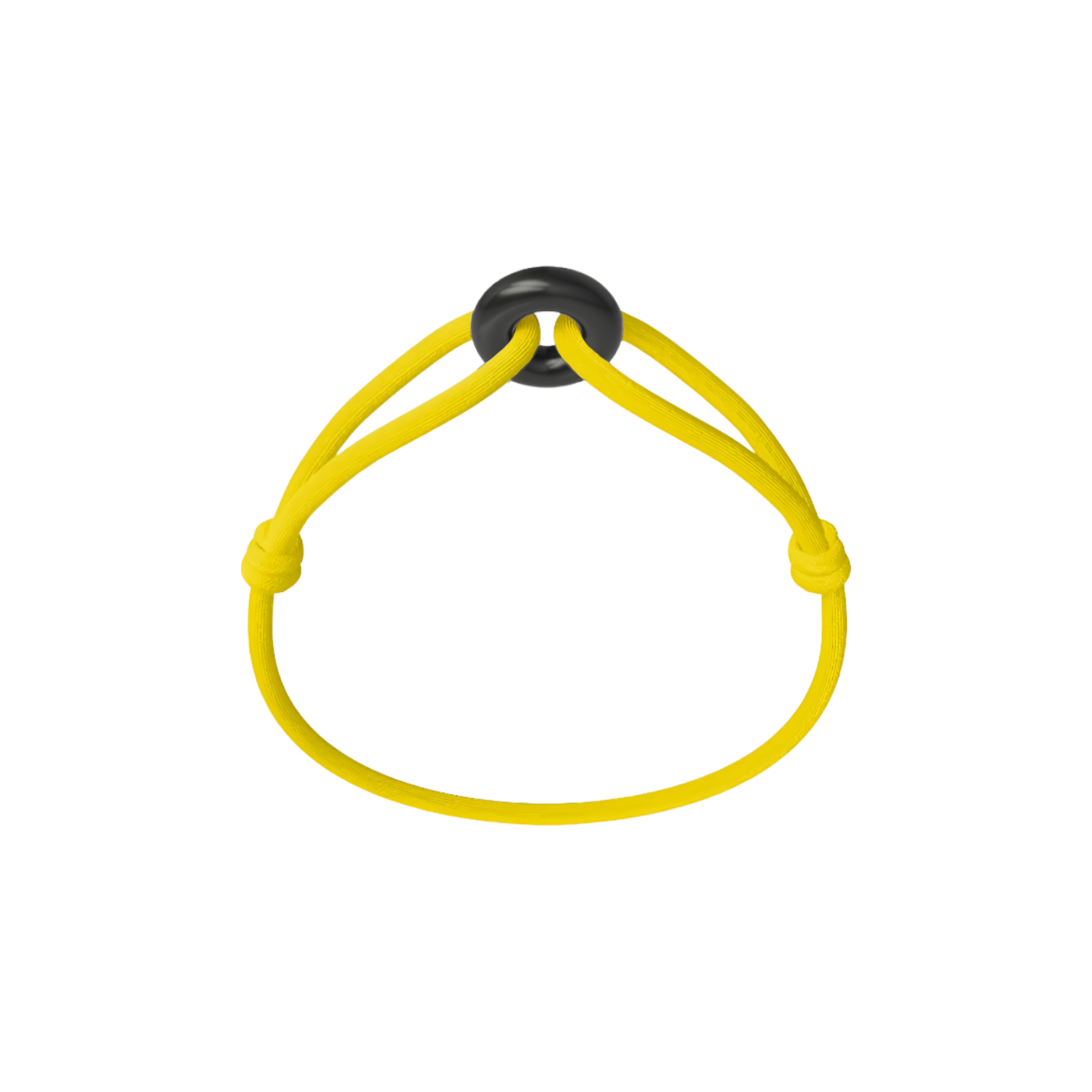
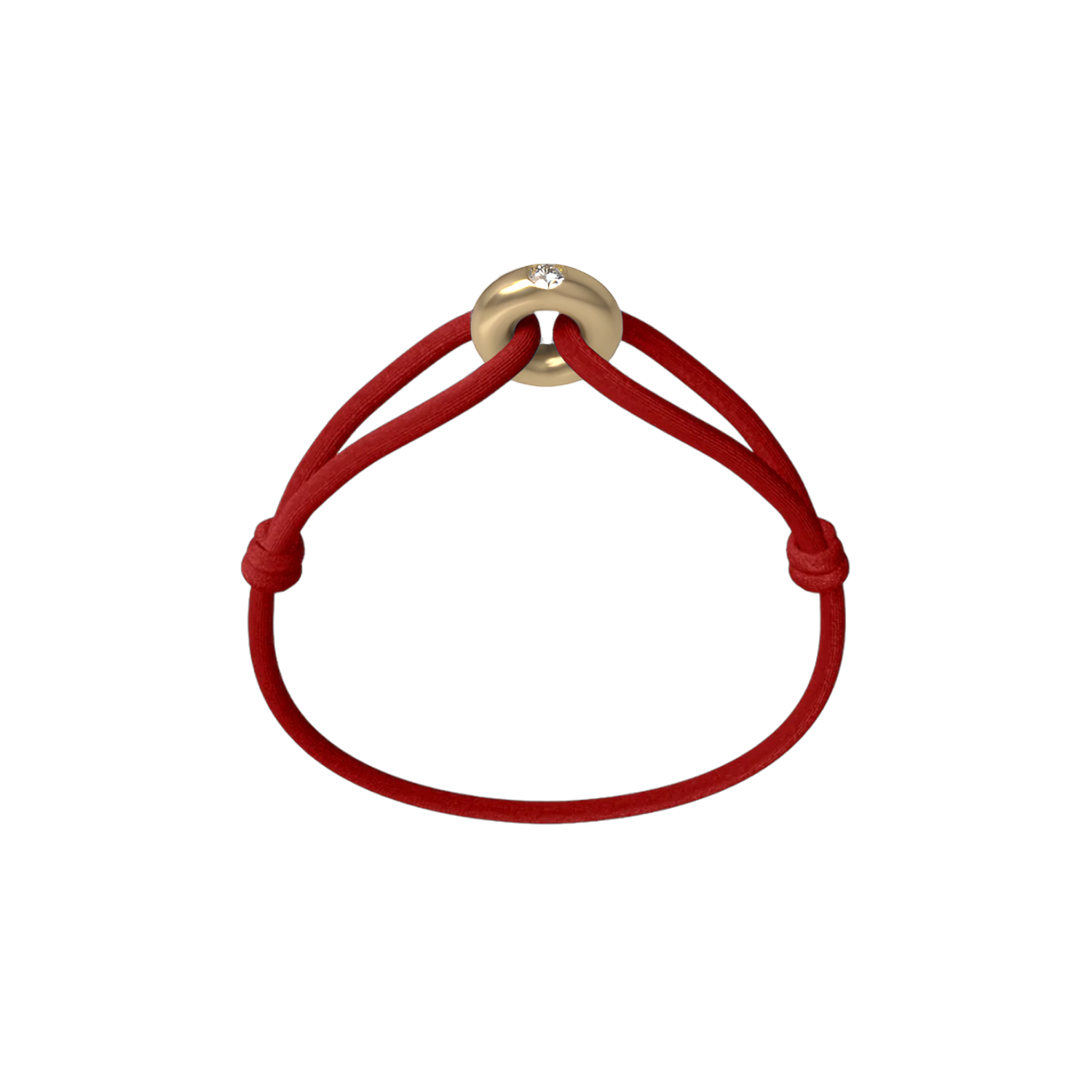
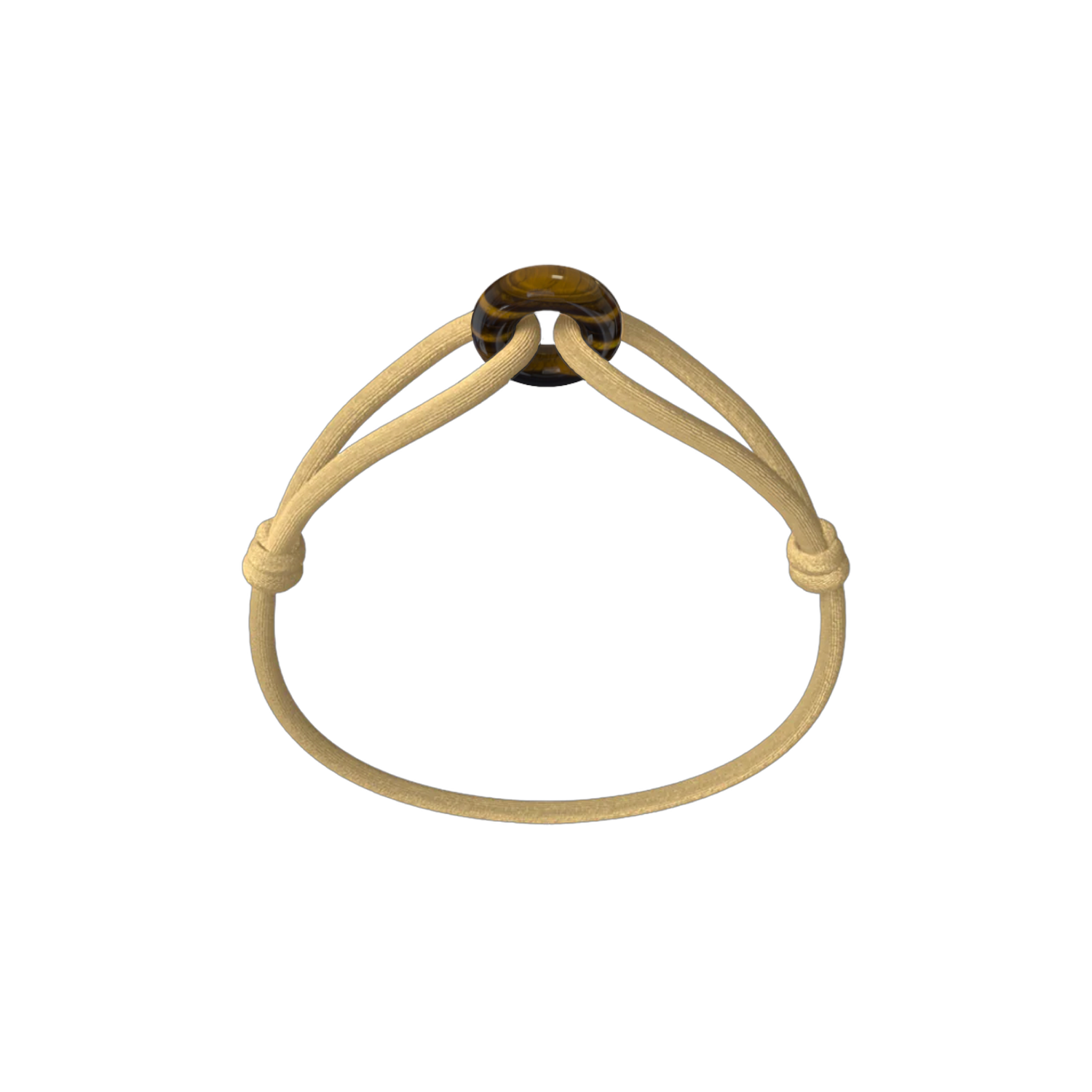
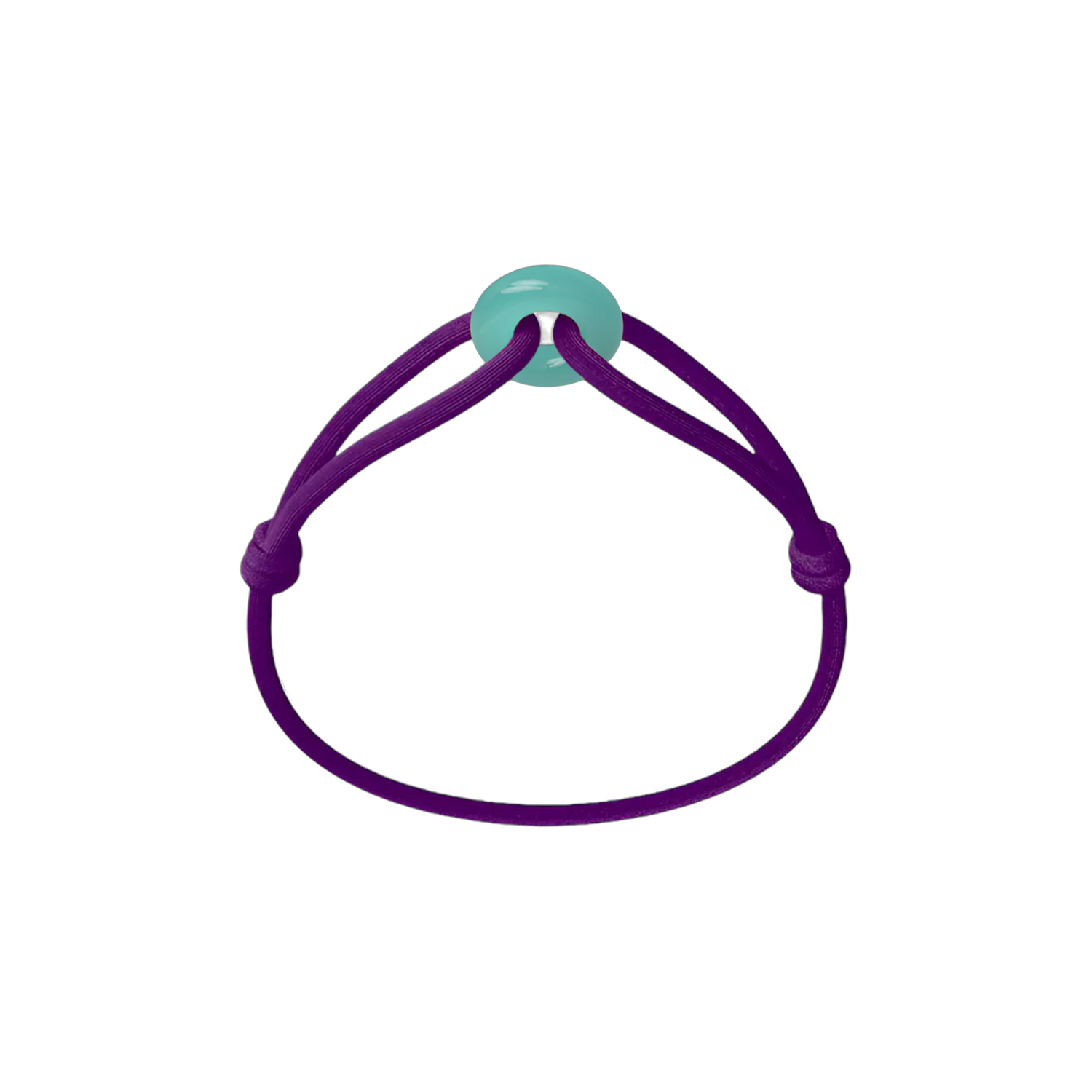
Explore Wecord 18K Gold Vermeil
18K gold vermeil at 3 microns over 925 sterling silver. The daily wear standard, in designs built for how you actually live.






اقرأ المزيد
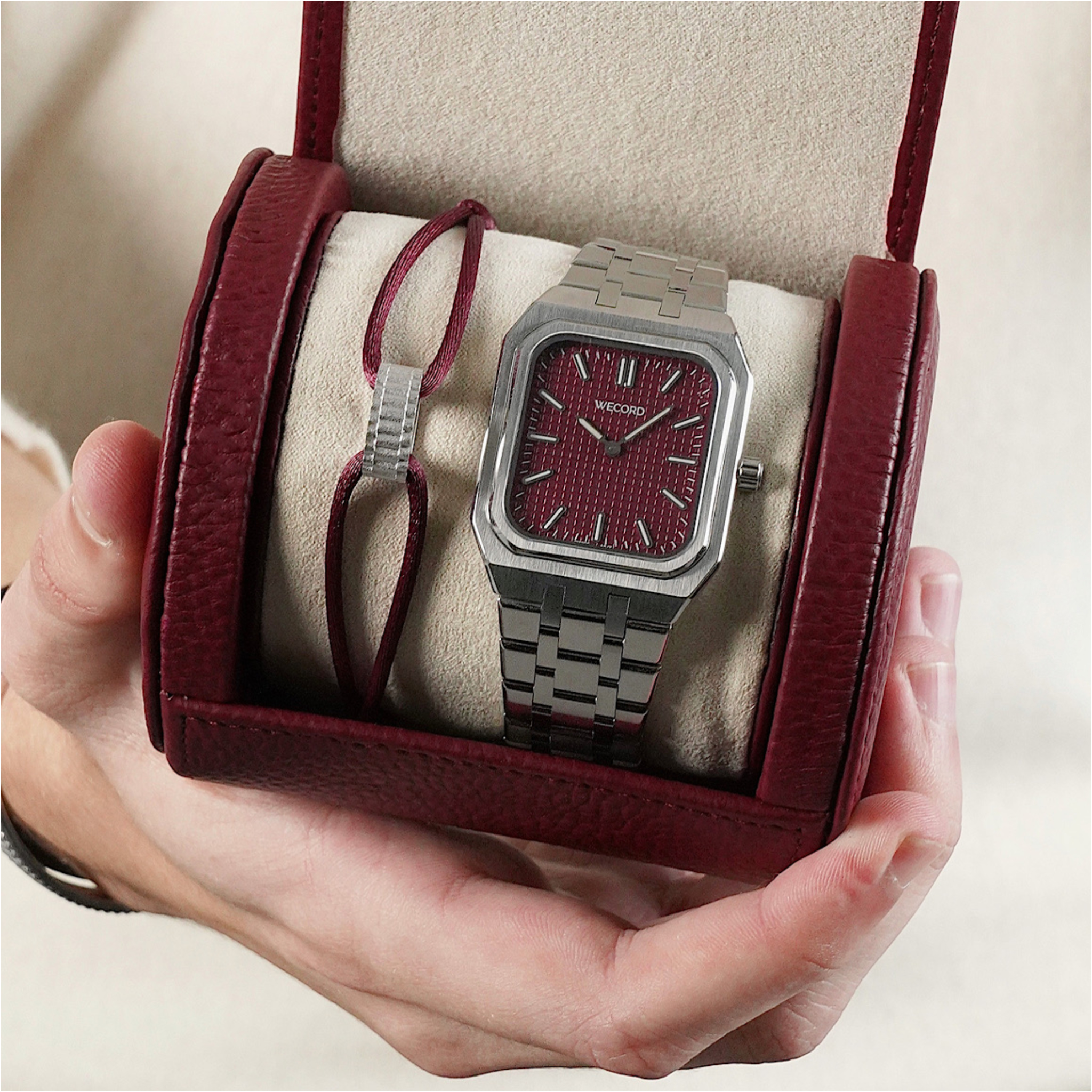
Some gifts get treasured for years. Others end up in the back of a wardrobe within a week. The difference is rarely about how much was spent. It is about how well the gift was chosen, how thoughtf...
Wedding season in the UAE runs from autumn through late spring, and almost everyone who lives here ends up invited to weddings from cultures other than their own. An Indian colleague's three day c...